The short answer
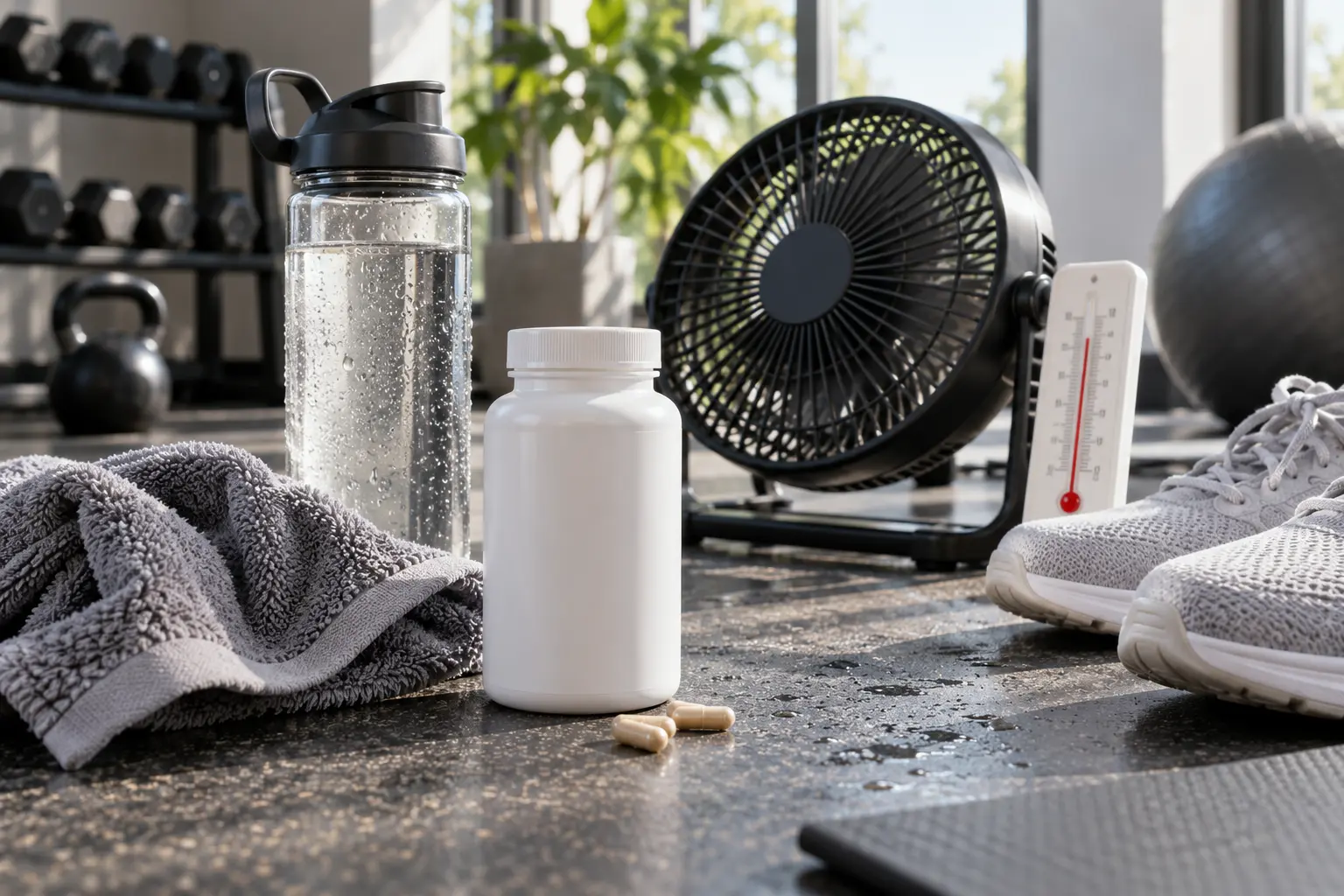
Sweating after a fat burner may reflect stimulants, exercise, heat, anxiety, illness, or their combination. More sweat does not prove more calories or body fat are being burned; it primarily helps the body control temperature.
A five-step response system
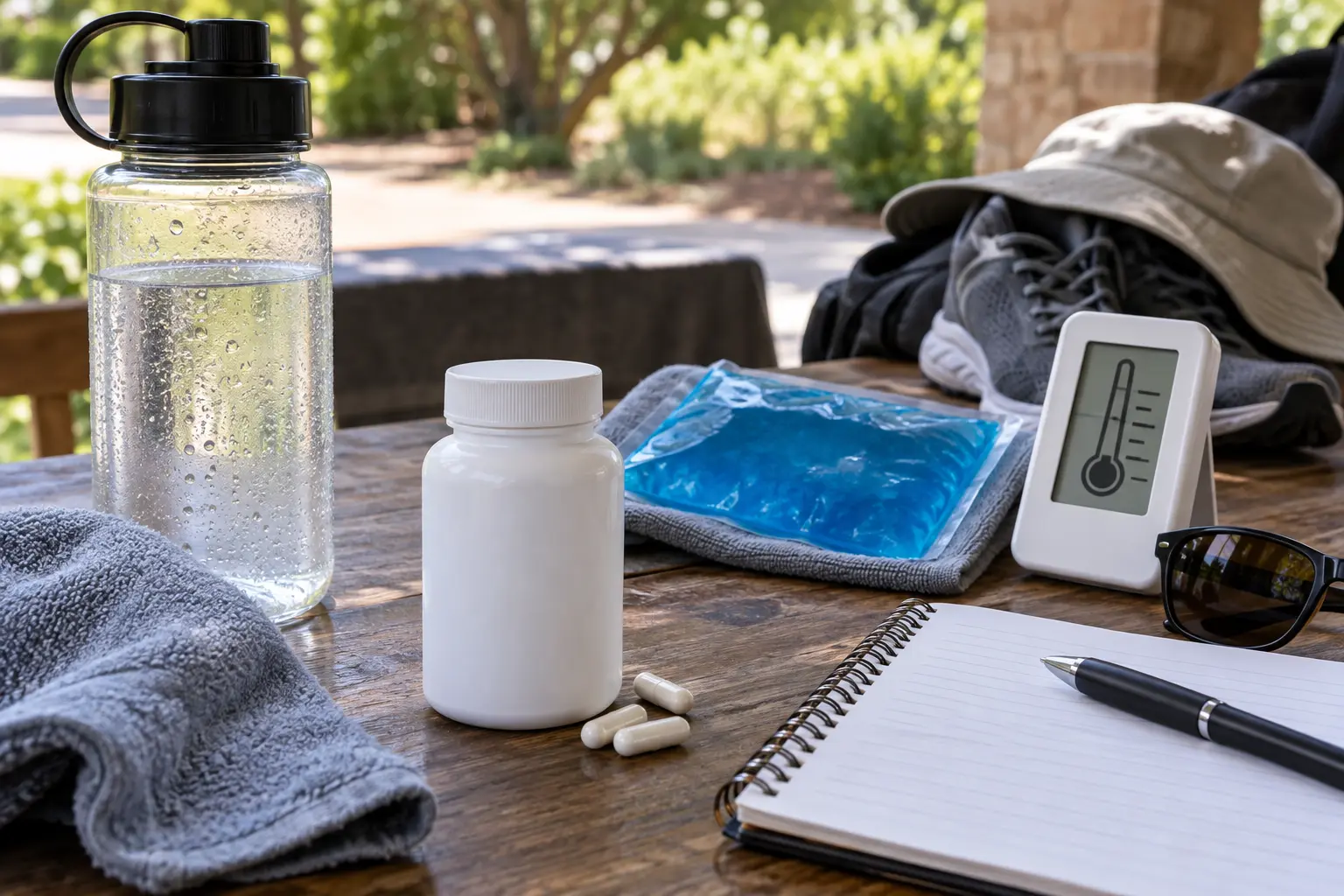
- Stop exercise and move to a cooler place if sweating feels unusual or is paired with weakness.
- List the supplement dose, caffeine, nicotine, medicines, temperature, clothing, and workout.
- Drink according to the situation without forcing extreme volumes of plain water.
- Do not add a second stimulant because sweating later declines with tolerance or cooler weather.
- Treat confusion, fainting, hot skin, chest pain, severe headache, or persistent vomiting as urgent warning signs.
Worked example
A user combines a thermogenic capsule, coffee, a warm gym, and interval training. Heavy sweating follows, so the dose feels “effective.” In reality, four variables changed together. The safer conclusion is that heat load and stimulation rose—not that extra body fat disappeared.
Heat, exertion, and stimulants change the interpretation
Sweat is a temperature-control response, not a measurement of fat oxidation. A hot room, brisk workout, fever, anxiety, caffeine, or a combination can produce more sweating. Record the setting and effort before comparing one day with another. A shirt soaked during exercise does not show that a capsule improved long-term weight loss. Any immediate drop on the scale after heavy sweating is mostly a fluid change until the person drinks and recovers.
If unusual sweating begins with a new fat burner, stop the product, move to a cooler place, rest, and address hydration as appropriate. Do not exercise harder to “use” the thermogenic sensation. Check whether the serving contains caffeine anhydrous, guarana, green tea, bitter orange, or other stimulating components, and whether coffee or a pre-workout was used the same day. The combined stimulant picture can be more relevant than one ingredient name.
Heavy sweating accompanied by dizziness, weakness, nausea, headache, confusion, fainting, chest symptoms, or inability to cool down needs prompt medical attention; severe heat-related illness is an emergency. Do not rely on the article to decide that a combination of symptoms is harmless. Even without an emergency, repeated unexplained sweating warrants a clinician's assessment because illness and medicines can be involved.
For an ordinary warm-weather workout, use the environment and the person's condition to set intensity, breaks, and fluids. A supplement is optional and cannot turn heat stress into useful fat loss. If the main “benefit” noticed is feeling hot or sweaty but no meaningful, tolerable outcome is established, that sensation is a poor reason to keep paying for or taking the product.
Where Fat Burn Active fits
If sweating is unusual for the activity or setting, move to a cooler place and review the other symptoms described above. Do not increase a supplement dose to chase a feeling of heat. Compare the product's ingredients and total stimulant exposure before considering further use, and seek care when symptoms suggest heat illness or do not improve. For a decision before use, our Fat Burn Active review examines the disclosed stimulant sources and evidence limits. It is not a reason to continue a product during concerning symptoms.
Sources
- CDC/NIOSH: Heat Stress and Workers
- MedlinePlus: Dehydration
- FDA: How Much Caffeine Is Too Much?
- NIH ODS: Dietary Supplements for Weight Loss
- Review: Safety of Ingested Caffeine
- NHS: Dehydration
Evidence reviewed September 16, 2026. Educational information only; not medical advice.