
The short answer
A placebo-controlled trial compares the supplement with an inactive-looking control so expectations, study attention, background change, and ordinary measurement variation are less likely to be mistaken for a product effect. Buyers are often shown one favorable number without the comparison group, absolute size, confidence interval, duration, exact tested formula, adverse events, or funding context. Those missing pieces can completely change what the result means.
Participants may change diet, activity, sleep, or reporting simply because they joined a study. Symptoms and appetite are also influenced by expectations. Without a credible control and blinding, improvement after taking a capsule cannot be cleanly attributed to its ingredients.
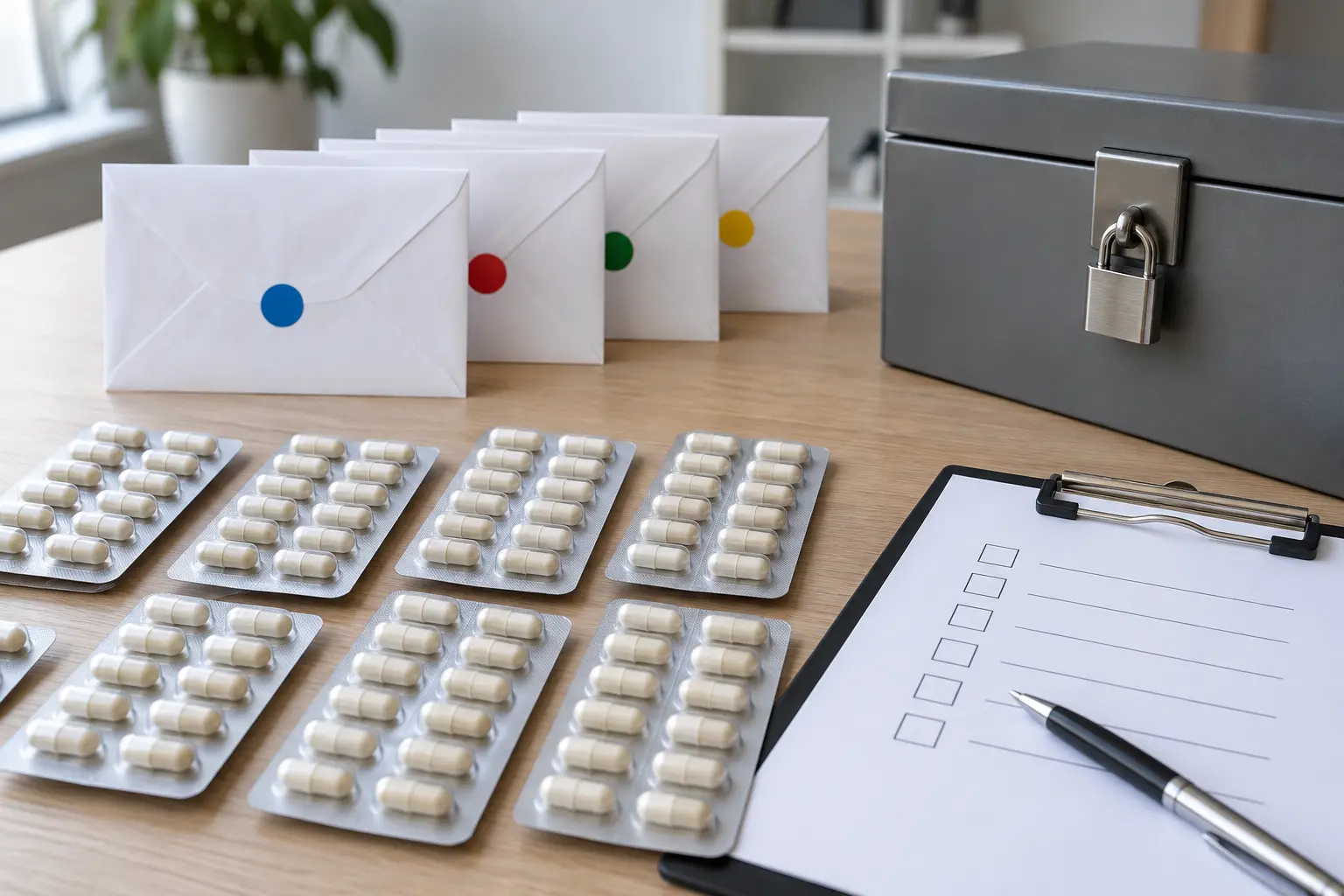
A five-question buyer checklist
- Was allocation truly randomized and concealed?
- Did placebo and supplement look, taste, smell, and feel similar?
- Could stimulant effects reveal who received the active product?
- Were participants, staff, and outcome assessors blinded where possible?
- Were dropouts, adherence, adverse events, and between-group results fully reported?
Worked example
Both groups receive identical capsules and the same lifestyle advice. The supplement group loses 2.0 kilograms while placebo loses 1.6 kilograms. The estimated product contribution is the between-group difference, subject to its confidence interval—not the full change in the active group.
A placebo comparison buyers can actually read
Imagine two groups receive the same food and activity advice. One gets the supplement; the other gets a matching inactive capsule. If both groups lose weight, the difference between their averages is the estimate to investigate. The change in the active group alone includes the background advice, measurement noise, and whatever happened outside the trial. Ask how many people were assigned to each group and how many contributed data at the end. A headline that reports only the active group's before-and-after result omits the comparison that made the trial useful.
Blinding deserves its own check in stimulant studies. A capsule that causes a noticeable buzz, sleep change, or taste can tell participants which group they are in even when the packaging is identical. That can influence reported appetite, activity, adherence, and side effects. Body weight is less subjective than an appetite rating, but people who think they have the active product may still change their behavior. Look for whether the investigators tested blinding or at least discussed this limitation.
A placebo is not a promise of perfect isolation. Participants may differ at baseline by chance, stop taking capsules, or leave the study. A careful report says what happened to every randomized participant and whether the planned primary outcome was measured at the prespecified time. If the main weight outcome did not differ but one of many secondary questionnaires did, present that as exploratory. The right question is whether a clinically meaningful between-group effect survives the design and its uncertainty, not whether any line in the paper crossed a statistical threshold.
For a product decision, copy five items into a note: trial duration, exact tested formula and daily dose, the placebo match, the between-group weight or body-composition difference, and adverse events in both groups. If the marketed bottle differs from the tested intervention, put a question mark beside product relevance. This small exercise makes it harder for an advertisement to turn a legitimate placebo-controlled ingredient trial into proof about an untested finished blend.
Sources
- SPIRIT–CONSORT reporting guidance
- CONSORT 2025 explanation and elaboration
- Placebo in clinical trials
- Double-blind placebo-controlled trials overview
- Methodological aspects of nutrition trials
- FDA supplement-claim substantiation guidance
Evidence reviewed September 16, 2026. Educational information only; not medical advice.