
The scale and lipid panel answer different questions
Body weight measures mass; a lipid panel helps estimate cardiovascular risk. Genetics, diabetes, thyroid disease, liver or kidney disease, menopause, diet composition, alcohol, medicines, and inherited disorders can shape results. A normal-looking body does not exclude high LDL, and higher weight does not identify one lipid pattern.
Use substitutions rather than labels
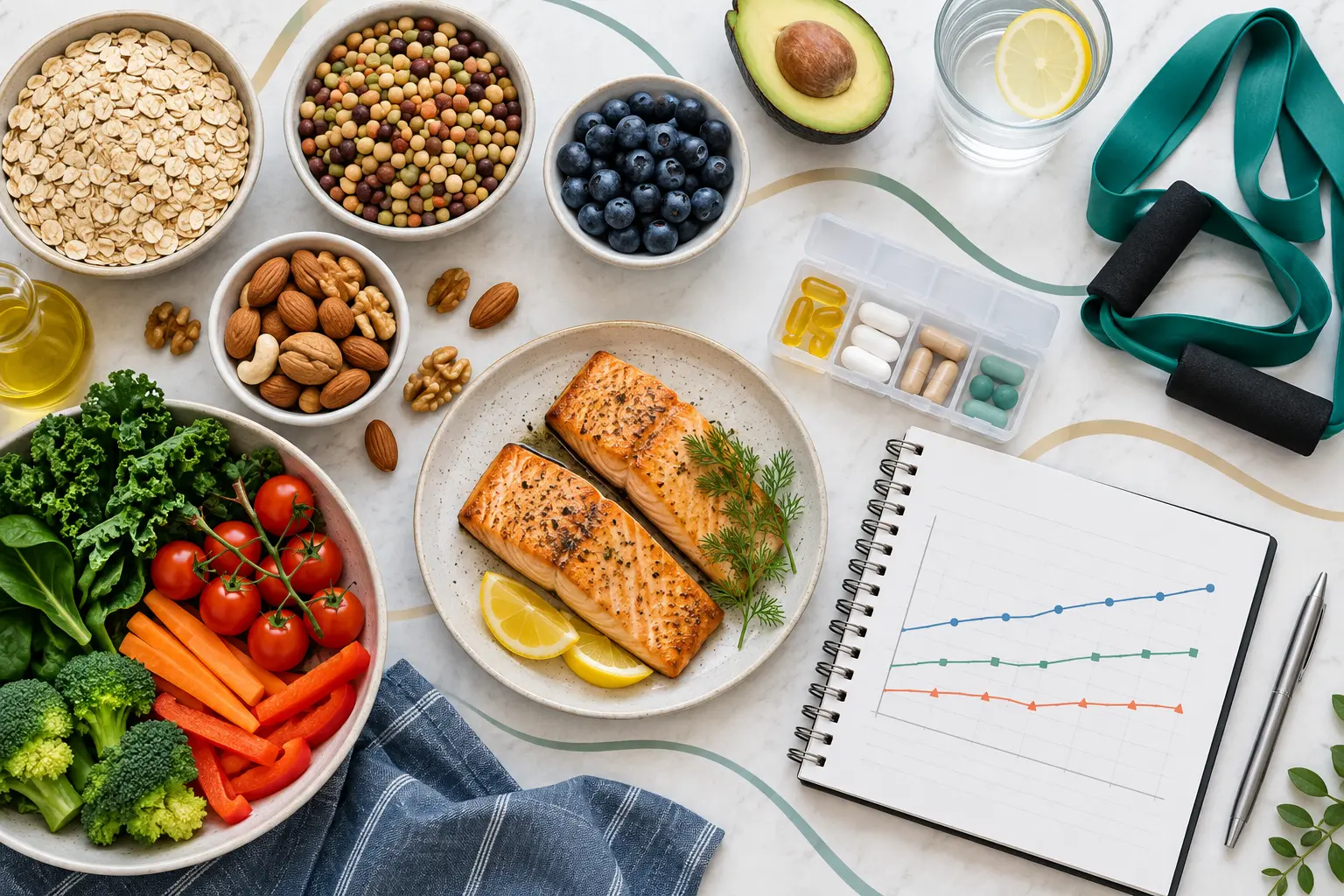
Replace butter, fatty processed meat, and some high-saturated-fat snacks with olive oil, nuts, seeds, avocado, fish, or other unsaturated choices. Add soluble-fiber sources such as oats, barley, beans, lentils, and selected fruit. For high triglycerides, review alcohol, sugary drinks, refined carbohydrate, diabetes control, and total intake.
Exercise helps beyond calorie burn
Aerobic activity and resistance training can improve fitness, insulin sensitivity, triglycerides, blood pressure, and body composition. The HDL response varies and should not become the sole target. Build repeatable weekly volume rather than using exercise to compensate for one result.
Do not delay treatment
Statins and other lipid-lowering medicines reduce risk for appropriately selected people. The decision uses the whole cardiovascular profile, not LDL alone. Discuss adverse effects and alternatives rather than stopping. Red yeast rice can contain drug-like compounds with variable dosing and interactions.
What changes to expect
Losing weight usually lowers triglycerides and raises HDL cholesterol somewhat, especially when combined with exercise. LDL cholesterol often falls modestly as well, but responses vary and some people see little change. A loss of 5–10% of body weight is often enough to see improvements in triglycerides and blood pressure.
Understanding your lipid panel
A standard lipid panel reports total cholesterol, LDL cholesterol, HDL cholesterol and triglycerides. LDL is the main target for reducing cardiovascular risk; lower is generally better, and the goal depends on your overall risk, diabetes, age and any existing heart disease. Triglycerides rise with excess calories, alcohol, refined carbohydrates and poorly controlled diabetes, and often respond fastest to weight loss. HDL tends to rise slowly with activity and weight loss. Ask your doctor what your targets are rather than relying on general cut-offs.
When triglycerides are the main problem
If triglycerides are high, the most effective changes are usually cutting back on alcohol, sugary drinks and large portions of refined carbohydrates, increasing activity and losing weight. Oily fish twice a week can also help. Very high triglycerides can cause pancreatitis and need medical treatment.
Frequently asked questions
Will losing weight always lower LDL?
No. Response depends on food composition, genetics, health conditions, and treatment.
Is HDL the good cholesterol?
That shorthand is incomplete; raising HDL alone is not the goal.
When should lipids be rechecked?
Follow the interval set after lifestyle or medication changes.
Sources
- CDC cholesterol
- American Heart Association cholesterol
- NHLBI blood cholesterol
- AHA: physical activity and cardiometabolic health
Evidence reviewed September 8, 2026. Educational information only; not medical advice.