The short answer
A short laboratory change in energy expenditure, fat oxidation, respiratory quotient, appetite, or blood markers is not the same outcome as sustained fat loss. Buyers are often shown one favorable number without the comparison group, absolute size, confidence interval, duration, exact tested formula, adverse events, or funding context. Those missing pieces can completely change what the result means.
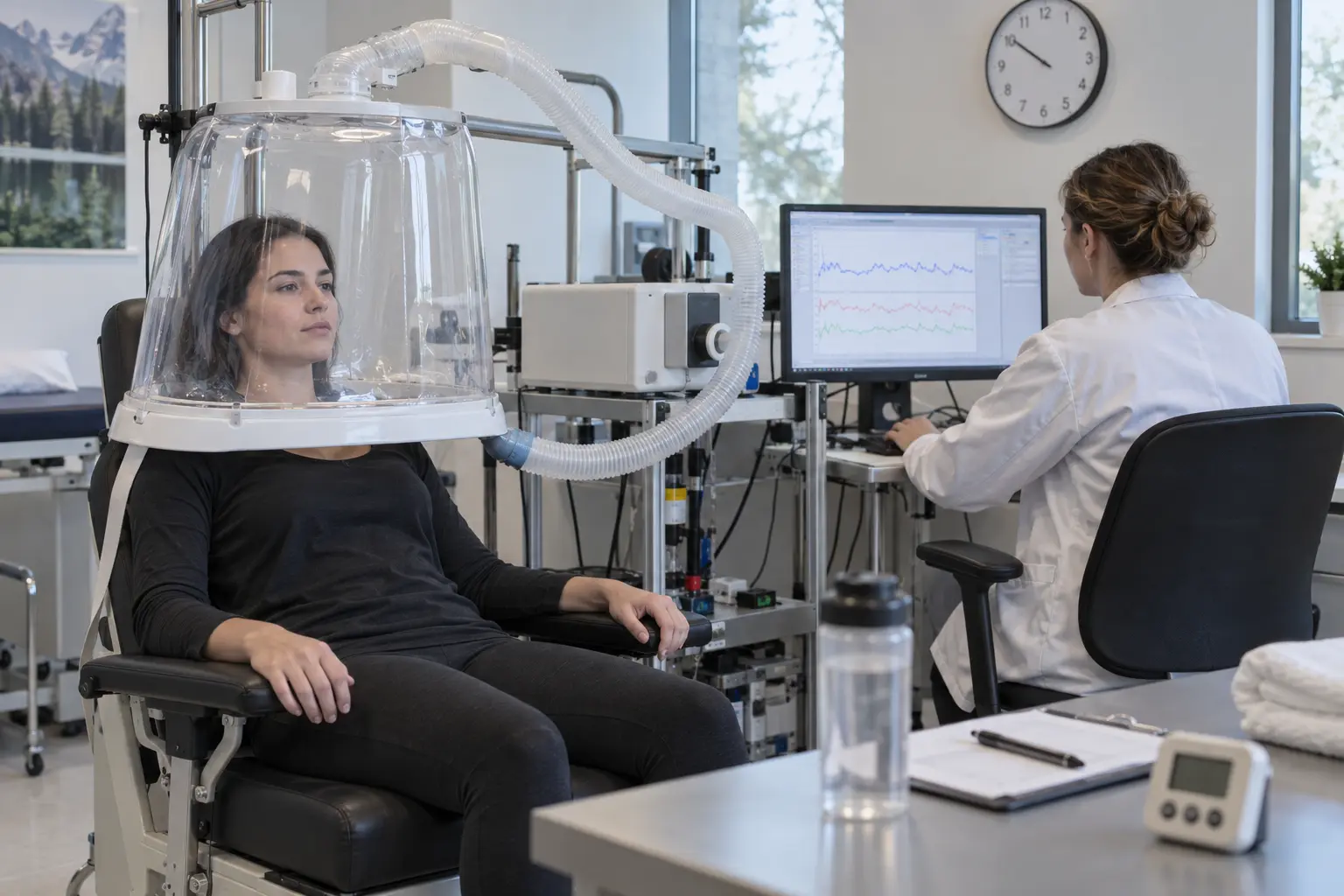
Acute studies may last a few hours after one serving. They are useful for testing whether a biological signal changes under controlled conditions, but they cannot show adherence, tolerance, compensation, body-composition change, or safety across months.
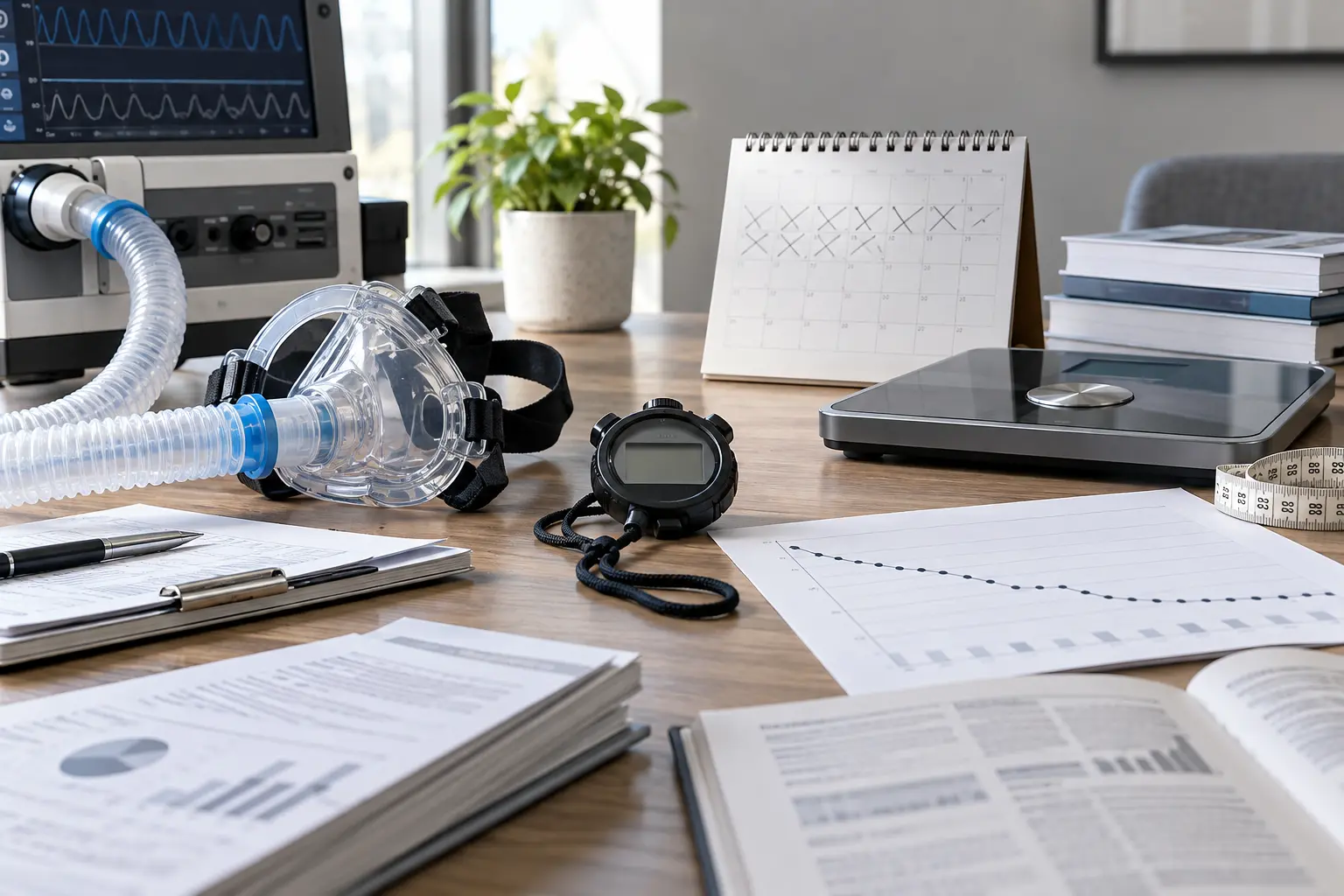
A five-question buyer checklist
- How long were participants observed after the dose?
- Was the endpoint actual body weight or only a metabolic surrogate?
- How many extra calories did the reported energy-expenditure difference represent?
- Were food intake and activity measured after the lab visit?
- Was the exact marketed formula tested repeatedly over a meaningful period?
Worked example
A headline says a capsule increased energy expenditure by 8 percent for three hours. If baseline expenditure during the window was modest, the absolute difference may be only a small number of calories. Later hunger, reduced movement, tolerance, or inconsistent use could erase it. The study supports an acute response—not a weight-loss promise.
Trace the path from a short signal to real weight change
A laboratory study may measure energy expenditure for two hours after a capsule. That window tells us little about later meals, sleep, or whether the response persists. Do not multiply a brief hourly measurement by 24 hours or by a month unless the study actually measured that duration. The same caution applies to a single rise in fat oxidation: the body can use more fat as fuel during a test without losing more stored body fat over weeks.
Consider an appetite result. A person reports less hunger on a questionnaire after a dose, but the study does not measure later food intake or body weight. That is an interesting intermediate outcome, not a demonstrated calorie deficit. If a later meal is measured, ask whether participants compensated at dinner or on subsequent days. For stimulant blends, tolerance and disturbed sleep can also change the longer-term balance. A useful chain of evidence follows the same participants from acute response to sustained behavior and then to a meaningful outcome.
Read the axis and units of metabolic charts carefully. Absolute daily energy difference, relative percentage, and area under a short curve answer different questions. A statistically detectable change can be very small relative to normal variation in food intake and movement. Also ask whether the control beverage had the same caffeine and calories. If not, the result may isolate neither the featured botanical nor the finished formula. An ingredient name in the title does not tell you which component caused the signal.
Before buying, translate the headline into a sentence with a time frame: “In this study, this tested dose changed this measured marker for this long, in these participants.” Then write what remains unknown: repeated-dose effect, actual intake, body weight, adverse events, and formula match. If the advertisement jumps from a two-hour biomarker to “burns belly fat,” it skips essential links. Treat the finding as a research clue and prioritize trials that directly measure the outcome you care about.
Sources
- FDA supplement-claim substantiation guidance
- Systematic review of weight-loss supplements
- Adaptive thermogenesis systematic review
- Methodological aspects of nutrition trials
- Designing clinical studies with supplements
Evidence reviewed September 16, 2026. Educational information only; not medical advice.