
Four pathways from short sleep to more eating
These pathways can coexist. Someone may not feel dramatically hungrier yet still eat more because the evening is longer and the easiest food is nearby.
What trials can—and cannot—tell us
Experimental sleep restriction has increased food intake in multiple studies, and a randomized sleep-extension trial found that adults with overweight who lengthened sleep reduced energy intake on average. These findings support sleep as a meaningful behavioral lever.
Short laboratory studies cannot predict one person's long-term weight. Participants, sleep doses and food environments differ. Hormone measurements also vary by timing and protocol. The strongest conclusion is not a guaranteed calorie number; it is that adequate sleep can lower one source of pressure on eating.
Protect the next day when sleep was short
- Keep regular meals rather than trying to “save” calories until evening.
- Place protein and fiber in the first meals you reliably eat.
- Pre-portion the snack most likely to become automatic.
- Use daylight and appropriate movement to support alertness.
- Keep caffeine early enough that it does not repeat the cycle.
- Choose a realistic bedtime opportunity instead of pursuing a perfect routine.
Do not diet around possible sleep apnea
Loud habitual snoring, witnessed breathing pauses, waking with headaches, daytime sleepiness or falling asleep while driving require medical attention. Obstructive sleep apnea is treatable and cannot be fixed by an appetite suppressant.
Shift workers and caregivers may not control clock time. Their plan should focus on protected sleep windows, light exposure, caffeine timing, prepared meals and clinical help where needed—not moral judgment.
What sleep studies show
In laboratory studies, restricting sleep to around four to five hours for a few nights has led people to eat more, often 200–500 extra calories a day, mostly from snacks. A trial that helped short sleepers extend their sleep by about an hour found they ate fewer calories. Most adults need at least seven hours of sleep per night.
Practical ways to improve sleep
- Keep a consistent wake time, including weekends.
- Stop caffeine after early afternoon.
- Dim lights and screens in the hour before bed.
- Keep the bedroom cool, dark and quiet.
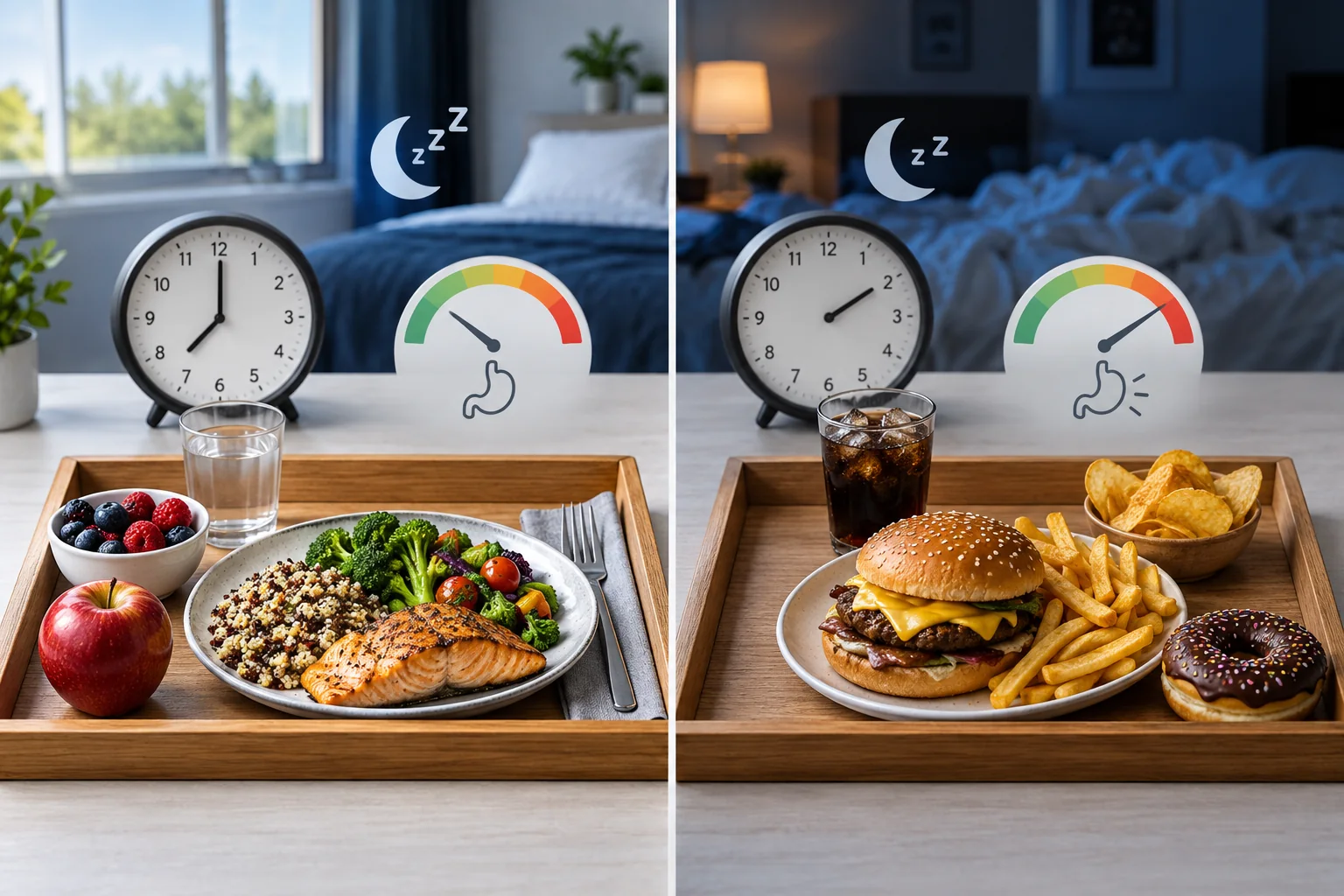
- Avoid large meals and alcohol close to bedtime.
Where a supplement fits
Stimulant fat burners can shorten or disrupt sleep, which may increase appetite. If sleep is already short, avoid them.
Because the formula contains multiple stimulant sources, using it to push through sleep loss may intensify the cycle it is supposed to help. Fat Burn Active is optional and cannot repair an eating environment, replace sleep or treat emotional eating. Its current official page lists at least 120 mg caffeine per serving from caffeine anhydrous and guarana, additional unquantified caffeine from green-tea extract, and bitter-orange extract standardized to 6 mg synephrine. Feeling more alert or less hungry for a short time is not proof of meaningful fat loss.
A supplement is not required to benefit from this guide. If your foundations are already in place, use the independent Fat Burn Active review to judge whether the formula has a useful optional role. If it fits your expectations and stimulant tolerance, check the current price on the official site. We may receive a commission.
Frequently asked questions
How much sleep do I need?
Most adults need at least seven hours a night.
Can a few late nights affect my appetite?
Yes. Even a few nights of short sleep can increase hunger and snacking.
Should I see a doctor about sleep?
Yes, if you snore loudly, stop breathing at night or feel very sleepy in the day despite enough time in bed.
Sources
- NHLBI: Sleep deprivation and deficiency
- Sleep deprivation and central appetite regulation
- Sleep extension and energy intake trial
- Insufficient sleep during dietary weight loss
Sources reviewed September 13, 2026. This article is general educational information, not medical advice, diagnosis, or treatment.