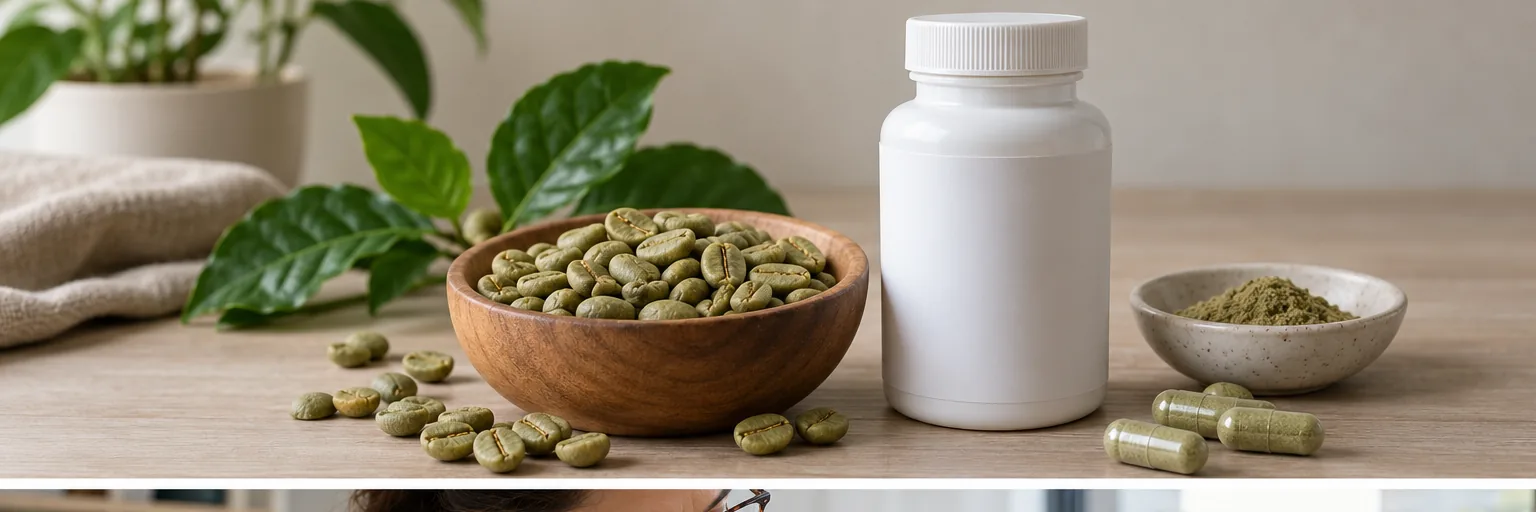
Green coffee is not one standardized dose
Green coffee beans are unroasted coffee seeds. Extracts can differ in total chlorogenic acids, individual compounds, caffeine, solvent, serving size, and maximum daily use. “Green coffee 800 mg” does not reveal the active exposure without standardization data.
Decaffeinated does not always mean caffeine-free. Add disclosed caffeine to coffee, tea, energy drinks, medicines, and other supplements. A trial of a high-chlorogenic-acid decaffeinated extract cannot validate a caffeinated proprietary blend.
Read pooled results with their weaknesses
Systematic reviews have found modest pooled reductions in weight or BMI, but averages combine unlike doses, populations, durations, and co-interventions. Earlier reviews emphasized poor methodological quality and substantial heterogeneity. Later analyses add trials but do not make every marketed extract equivalent.
Check whether fat mass and waist changed, whether the confidence interval is narrow, and whether results remain after weak studies are removed. A small statistical mean should not become a guaranteed kilogram forecast.

The retraction history matters
A prominent green-coffee weight-loss study was retracted after investigators said the dataset could not be validated, and US regulators acted over unsupported marketing tied to flawed research. That history does not prove every extract is ineffective; it demonstrates why source quality and trial identity matter.
Reject advertisements that continue citing withdrawn evidence, hide caffeine, or present regulatory compliance as efficacy. Prefer reproducible trials on the exact material and a complete adverse-event record.
Doses used and side effects
Studies of green coffee bean extract have commonly used 180–400 mg of chlorogenic acids a day. Green coffee extracts contain some caffeine, often less than roasted coffee per serving but enough to add to a daily total. Side effects reported include headache, digestive upset and those of caffeine, such as anxiety and poor sleep.
Lessons from the green coffee story
Green coffee extract became popular after television promotion and a small trial that was later retracted. The US Federal Trade Commission took action against marketers for deceptive claims. The episode is a useful reminder to check whether a headline study still stands before relying on it.
Chlorogenic acid is a component, not a product verdict
A green coffee extract may be standardized to chlorogenic acids, but that percentage cannot establish that a capsule reduces body fat. Compare the studied form, amount, caffeine contribution and human outcome with the current bottle. The chlorogenic acid guide examines the compound separately. NIH ODS describes limited, methodologically weak trials; the FTC criticized a study behind historic marketing claims.
Where Fat Burn Active fits
Green coffee extract is not identified in the currently available Fat Burn Active information. Its studies therefore do not validate the finished formula.
Fat Burn Active is optional and is not required for fat loss. Ingredient plausibility cannot replace evidence for the complete formula, a relevant dose, or a sustainable calorie deficit. Read our independent Fat Burn Active review before deciding.
Fat Burn Active is relevant here because its official listing identifies standardized plant extracts, caffeine sources, vitamins, and zinc in one formula. First read our independent review. If the formula, stimulant profile, evidence limits, and warnings fit your situation, check the current Fat Burn Active price on the official website. We may receive a commission at no additional cost.
Frequently asked questions
Is green coffee the same as brewed coffee?
No. Supplements use extracts with variable chlorogenic acids and caffeine.
Does decaffeinated mean zero caffeine?
Not necessarily; verify the actual label or specification.
Do meta-analyses prove every brand works?
No. The sold extract and dose must match the studied material.
Sources
- NIH ODS: Dietary Supplements for Weight Loss
- Green coffee obesity meta-analysis
- Green coffee systematic review
- FTC: Green coffee bean manufacturer settlement
Sources reviewed September 14, 2026. This article is general educational information, not medical advice, diagnosis, or treatment.